Why Eating Less Is Slowing Your Progress (Especially for Women)

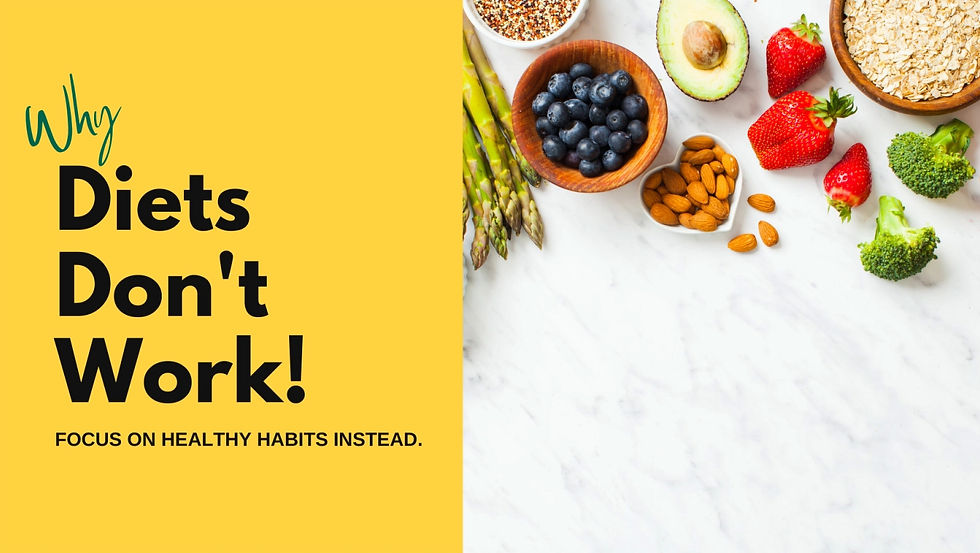
Why Eating Less Might Be Slowing Your Progress (Especially for Women)
If your goal is fat loss, toning, or building a strong, lean body, the advice you often hear is simple:
“Just eat less.”
So you cut portions. Skip meals. Try to stay as “clean” and low-calorie as possible.
At first, it might seem like it’s working. But soon… something changes.
Your energy drops.
Your workouts feel harder.
Progress slows—or even stops.
And you’re left wondering:
“Why am I doing everything right but not seeing results?”
The Problem With Eating Less
For women—especially those training regularly—under-eating can backfire. Your body isn’t just trying to lose fat; it’s trying to protect itself.
When calories are consistently too low, your body responds by:
Slowing metabolism
Reducing energy output
Increasing fatigue
Holding onto fat as a survival mechanism
What feels like discipline is actually stress to your body.
Why Women Are More Sensitive
Women’s physiology is designed to preserve energy and reproductive function. This means:
Women are more sensitive to energy deficits than men.
Strength training, sprints, HIIT, or high-stress lifestyles increase this sensitivity.
When under-fueled, your body prioritizes survival over performance, leading to:
Poor recovery
Hormonal disruption
Increased cravings
Reduced training intensity
Even if you show up consistently, your workouts become less effective.
Fueling for Strength and Fat Loss
Many women want fat loss, muscle definition, and a better shape. But building or maintaining muscle requires:
Adequate protein
Enough total calories
Sufficient energy to train properly
Under-eating prevents proper muscle repair, slows strength progression, and limits body composition changes. This is why so many women feel “stuck” despite working hard.
Hidden Signs You’re Not Eating Enough
Your body gives signals when energy is too low. Watch for:
Constant fatigue
Weakness in workouts
Plateauing strength
Increased hunger or cravings
Poor sleep
Irritability or low mood
These aren’t signs to push harder, they’re signs to adjust your fueling strategy.
The Cycle That Makes It Worse
A common trap:
Progress slows
You add more cardio
You eat even less
This cycle increases stress on your body, breaks down muscle, and reduces metabolic efficiency. Fat loss becomes harder, not easier.
What Actually Works
Instead of restricting calories, focus on fueling your body for performance:
Eat enough to support your training
Include sufficient protein to maintain and build muscle
Include carbohydrates to fuel workouts and recovery
Create a moderate, sustainable deficit, not extreme restriction
When your body is properly fueled:
Training quality improves
Recovery improves
Fat loss becomes more consistent
Cycle-Aware Nutrition
Energy needs fluctuate across the menstrual cycle:
Follicular phase (first half of cycle): Women respond better to higher-intensity training and can tolerate slightly lower calories.
Luteal phase (second half): Metabolism increases; women may need more calories and carbs for performance and recovery.
Eating in alignment with your cycle can maximize performance, recovery, and fat loss, instead of just blindly cutting calories.
The Shift: From Restriction to Strategy
The goal isn’t to eat as little as possible. It’s to:
Fuel your workouts
Train effectively
Recover properly
Support your hormones
Better performance and recovery lead to real, sustainable body changes.
Why Most Women Stay Stuck
It’s not a lack of discipline—it’s being taught:
“Less food = better results”
Instead of:
“Better fueling = better performance and results”
Programs like HutanoFitWomen focus on this strategy—giving women:
Clear nutrition guidance based on training
Structured strength and conditioning programs
Support for energy, recovery, and long-term results
Bottom Line
If you feel constantly tired, your progress has stalled, or you’re working hard without seeing results—it’s probably not that you need to eat less.
You need to eat smarter, fuel strategically, and train effectively.
Real results don’t come from doing less—they come from doing the right things consistently.


Comments