Understanding Estrogen's Impact on Muscle Gain

Updated: Mar 23
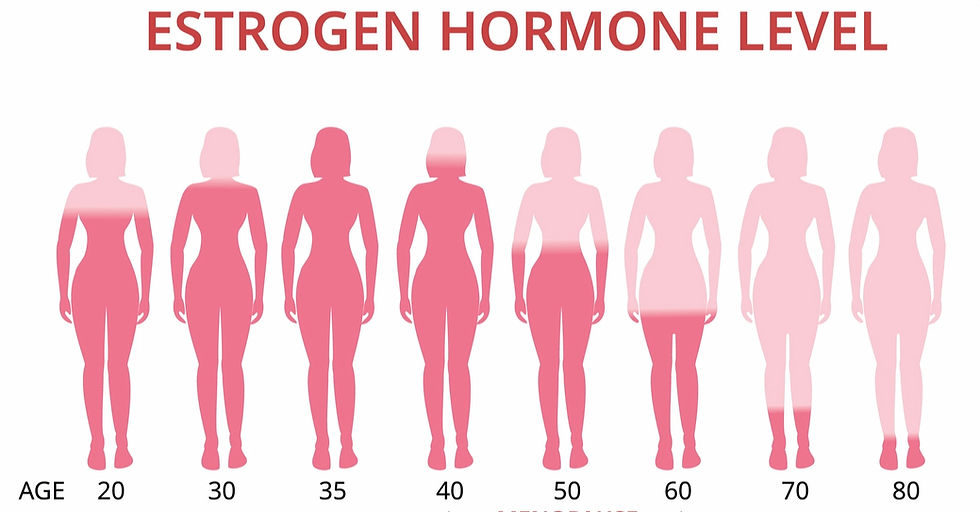
Estrogen is often associated with female reproductive health, but its role in muscle gain is equally significant. Many individuals, especially those engaged in fitness and bodybuilding, may overlook the influence of this hormone on their muscle-building efforts. Understanding how estrogen affects muscle gain can help both men and women optimize their training and nutrition strategies.
What is Estrogen?
Estrogen is a group of hormones primarily produced in the ovaries in women, but it is also present in smaller amounts in men, produced by the testes and adrenal glands. It plays a crucial role in various bodily functions, including:
Regulating the menstrual cycle in women
Maintaining bone density
Supporting cardiovascular health
Influencing muscle mass and strength
While estrogen is often viewed through the lens of reproductive health, its impact on muscle gain is profound and multifaceted.
The Role of Estrogen in Muscle Physiology
Estrogen influences muscle physiology in several ways:
Muscle Fiber Composition
Research indicates that estrogen can affect the composition of muscle fibers. Women typically have a higher proportion of type I muscle fibers, which are more endurance-oriented, while men often have more type II fibers, which are geared towards strength and power. This difference can influence how each gender responds to resistance training.
Protein Synthesis
Estrogen plays a role in protein synthesis, which is essential for muscle growth. It enhances the activity of satellite cells, which are crucial for muscle repair and growth. This means that individuals with balanced estrogen levels may experience better recovery and muscle development after workouts.
Fat Distribution
Estrogen influences fat distribution in the body. Women tend to store fat subcutaneously (under the skin), while men often store it viscerally (around the organs). This difference can affect overall body composition and how muscle gain is perceived.
Estrogen and Resistance Training
Gender Differences in Response to Training
Men and women may respond differently to resistance training due to hormonal differences. Women, with their higher estrogen levels, may experience:
Improved recovery times after workouts
Greater endurance during prolonged exercise
Different muscle growth patterns compared to men
Optimal Training Strategies
Understanding how estrogen affects muscle gain can help tailor training programs. Here are some strategies:
Incorporate a mix of strength and endurance training: Women may benefit from a combination of both to maximize muscle gain and endurance.
Focus on recovery: Given estrogen's role in recovery, women should prioritize rest and nutrition post-workout.
Adjust training volume: Women may respond better to higher training volumes with moderate weights, while men might benefit from heavier weights with lower volume.
Nutrition and Estrogen
Dietary Influences on Estrogen Levels
Diet plays a crucial role in regulating estrogen levels. Certain foods can help maintain hormonal balance, which is essential for muscle gain. Consider incorporating:
Phytoestrogens: Found in foods like soy, flaxseeds, and legumes, these compounds can mimic estrogen in the body and may help balance hormone levels.
Healthy fats: Omega-3 fatty acids from fish, nuts, and seeds can support hormone production.
Lean proteins: Essential for muscle repair and growth, proteins should be a staple in any muscle-building diet.
Supplements to Consider
While whole foods should be the primary source of nutrients, some supplements may help support estrogen levels:
Vitamin D: Important for overall health and may influence estrogen levels.
Magnesium: Supports muscle function and may help regulate hormonal balance.
The Impact of Menopause on Muscle Gain
As women age, particularly during menopause, estrogen levels decline significantly. This hormonal shift can lead to:
Increased muscle loss: Women may experience a decrease in muscle mass and strength.
Changes in fat distribution: Fat may shift from the hips and thighs to the abdomen, affecting body composition.
Strategies for Post-Menopausal Women
To counteract the effects of declining estrogen levels, post-menopausal women can:
Increase resistance training: Focus on strength training to combat muscle loss.
Optimize nutrition: Ensure adequate protein intake and consider phytoestrogens to help balance hormones.
Stay active: Regular physical activity can help maintain muscle mass and overall health.
Understanding estrogen's impact on muscle gain is essential for both men and women looking to optimize their fitness goals. By recognizing the role of this hormone in muscle physiology, training, and nutrition, individuals can tailor their approaches to maximize muscle growth and overall health.
The Real Problem
Most women are:
Following generic plans
Ignoring how their body actually works
Trying to push harder instead of training smarter
And that’s why progress feels harder than it should.
Where HutanoFitWomen Comes In
HutanoFitWomen is built around one principle: Women should train with their bodies—not against them.
Inside the program, you don’t just get workouts—you get understanding:
Training designed around the female body
Guidance on how hormones affect your performance and recovery
Structured strength training for real results
Nutrition strategies that support your body—not fight it
The Shift
When you understand your body:
Training becomes more effective
Recovery improves
Results become consistent
You stop:
Guessing
Over-training
Starting over
…and start building a body that actually reflects your effort.
👉 If you’re ready to stop following generic advice and start training with strategy, HutanoFitWomen gives you the structure, education, and results you’ve been missing.


Comments